QURI.AI
For SitesFor SponsorsCourse for PhysiciansLogin
For Physicians

The revenue stream most physicians have never been told about.

Get involved in Clinical Research

  1. 01Give patients access to the novel, future treatments.
  2. 02Work directly with the pharma/biotech innovators
  3. 03An additional revenue stream, from what you already do
Research ReadyThe physician's guide into clinical research
Early Cohort Special Pricing
$999Regular price $2,000
Full course8 modules, with downloadable templates and resources
Already enrolled? Sign in

Research payments by specialty

Your specialty
Cardiology

Cardiologist earned $812k in research payments last year

Run trials for novel therapies forheart failure, hypertension, lipid disorders and atrial fibrillation
01 / 09

Source: CMS Open Payments

There is a potentially significant line of business sitting adjacent to what you already do every day.

Before pharmaceutical, biotech, and medical device companies can bring many new treatments to market, they must generate clinical evidence showing they are safe and effective. To do that, they fund physicians and research sites to run clinical trials with eligible patients.

Research Ready teaches you how the clinical research industry works — how physicians and sites get involved, how they get paid, where trials come from, and the different ways you can participate.

About the authors.

Maya Pudi · Sourabh Dhillon
Maya Pudi

Maya Pudi

Research Site Owner & Operator

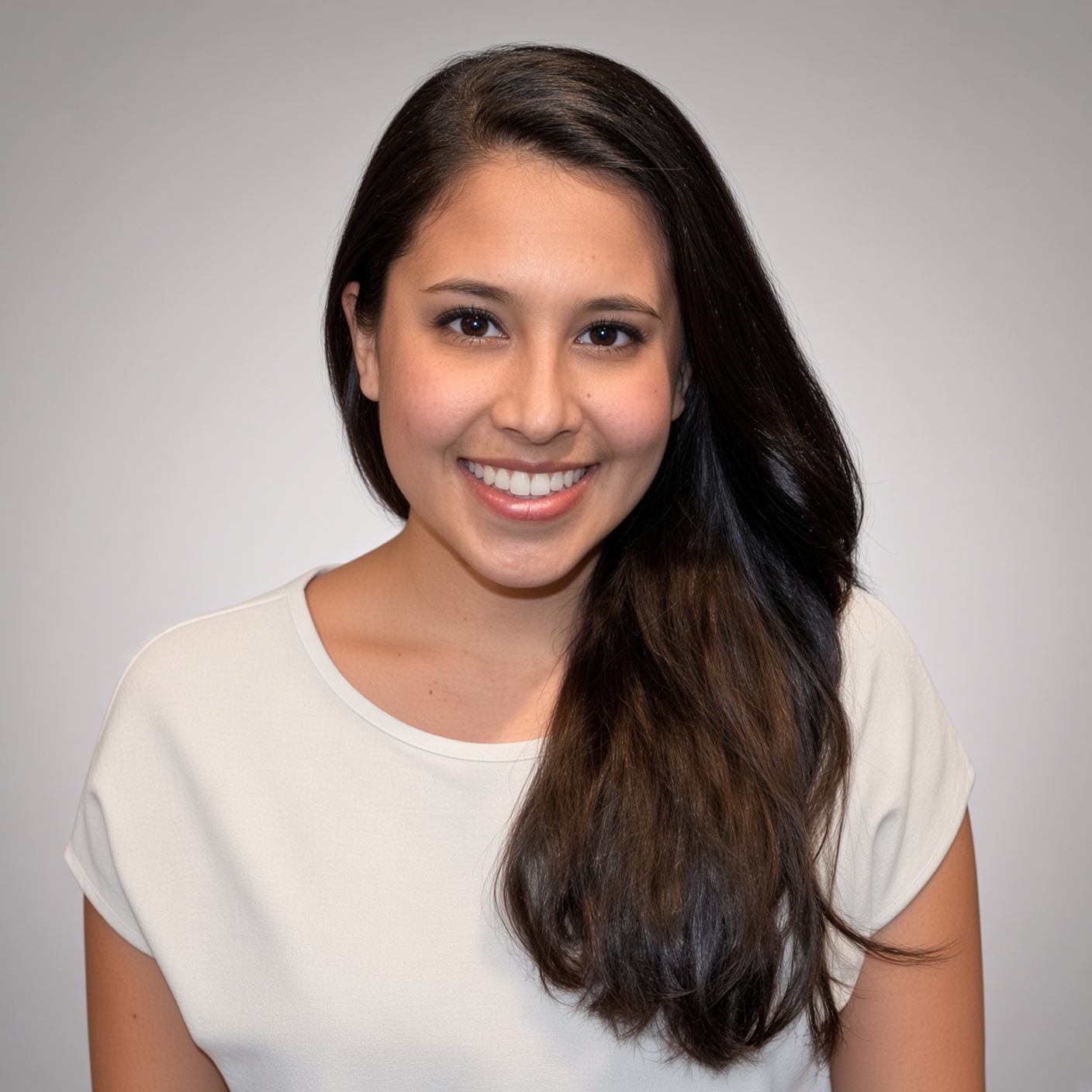
Maya Pudi has been a research site operator for over 12 years. She started as a coordinator, became a site director, and helped grow a site that was sold to Velocity Clinical Research, one of the largest site networks. She now owns Sierra Clinical Research and Sherman Clinical Research, independent sites that work with several PIs on studies in cardiology, pulmonary, metabolic disease and more.
Sourabh Dhillon

Sourabh Dhillon

Founder of Quri

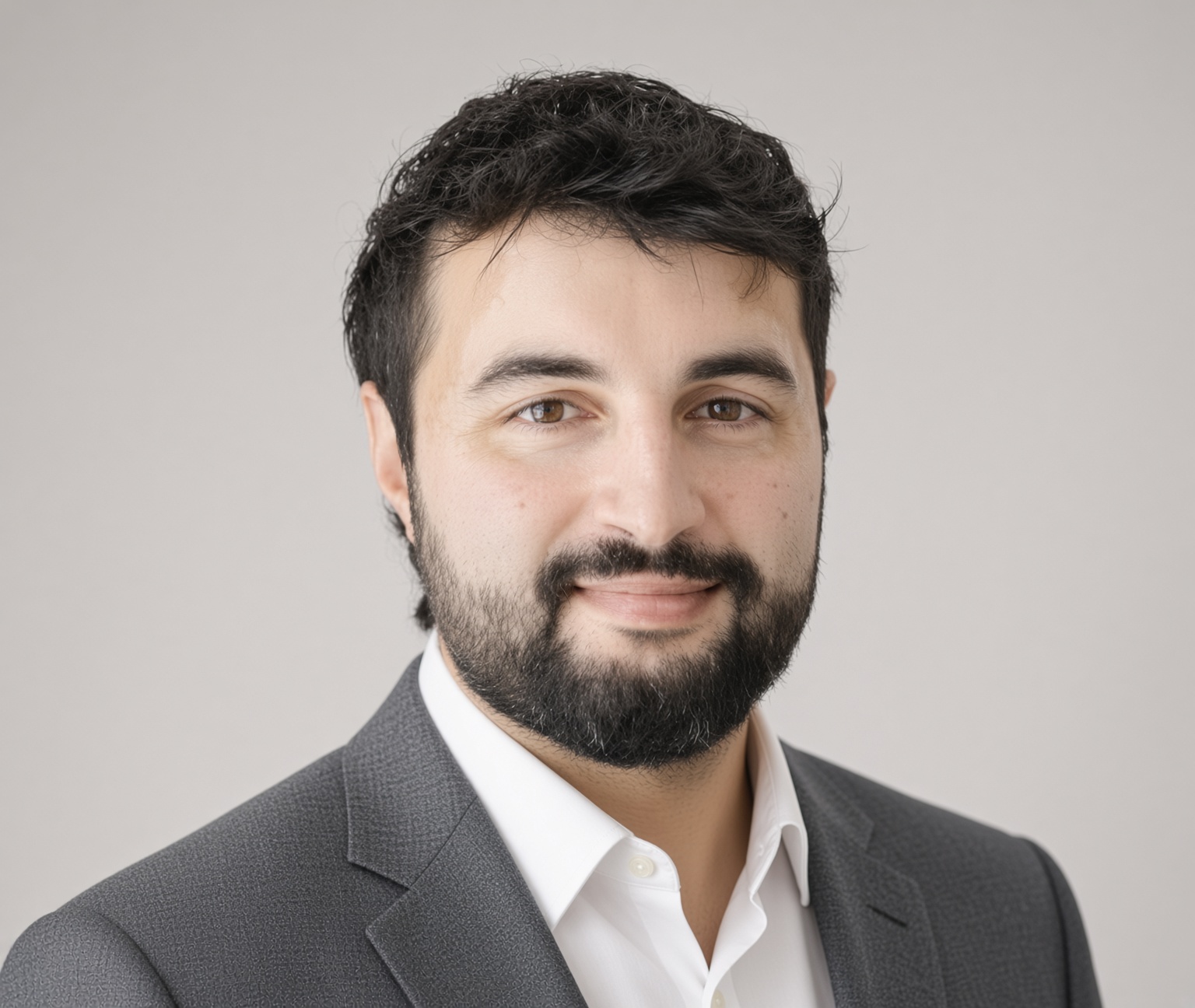
Sourabh is the founder of Quri, which supports 450+ research sites across the U.S. with AI and automation solutions. His work focuses on helping sites grow their businesses, win more opportunities from pharma and CROs, and increase research revenue.

What the course covers.

8 modules · 64 lessons
Module 0111 lessons

What Clinical Research Is

  1. 1.0Start here
  2. 1.1Industry vs academic research
  3. 1.2Intro to industry trials
  4. 1.3Anatomy of a trial
  5. 1.4Phases I–IV
  6. 1.5The players
  7. 1.6The role of a site
  8. 1.7Types of sites
  9. 1.8The role of a CRO
  10. 1.9Who works at a site
  11. 1.10The rules
Module 029 lessons

Why Physicians Should Care

  1. 2.0Why Physicians get into Research
  2. 2.1Three Ways In
  3. 2.2Revenue: How You Get Paid
  4. 2.3Revenue: One study as a P&L
  5. 2.4Revenue: Running Multiple Studies
  6. 2.5Revenue: Timeline
  7. 2.6Patient benefit
  8. 2.7Professional benefit
  9. 2.8The honest downsides
Module 035 lessons

Is This For You?

  1. 3.1Specialty demand
  2. 3.2Your patient population
  3. 3.3Practice constraints
  4. 3.4Your time as PI
  5. 3.5The fit assessment and your path
Module 047 lessons

Setting Up Your Site

  1. 4.1Entity, structure, insurance and compliance
  2. 4.2Credentials and training
  3. 4.3IRB, SOPs and the regulatory binder
  4. 4.4Building your team
  5. 4.5Systems and equipment
  6. 4.6Contracts and budgets
  7. 4.7Startup timeline and total cost
Module 056 lessons

Working With an Existing Site

  1. 5.1How contractor PI and Sub-I arrangements work
  2. 5.2The referring-partner model and what is compliant
  3. 5.3Finding and vetting local sites
  4. 5.4Structuring the agreement: term sheet essentials
  5. 5.5Your first weeks as a Sub-I or contract PI
  6. 5.6Quri site matchmaking
Module 067 lessons

Landing Your First Trial

  1. 6.1The stages of winning a study
  2. 6.2Where to find trials
  3. 6.3Outreach
  4. 6.4Positioning a new site
  5. 6.5The feasibility questionnaire and the pre-study visit
  6. 6.6Rescue studies as the on-ramp
  7. 6.7Doing it with Quri
Module 0715 lessons

Running It Well: A Trial, Visit by Visit

  1. 7.1Before the first patient
  2. 7.2Recruitment and pre-screening
  3. 7.3Visit 1: screening, step by step
  4. 7.4Visit 2: randomization, dispensing, first dose
  5. 7.5Follow-up visits: windows, procedures, adverse events, compliance, retention
  6. 7.6Documentation and data: source, EDC, queries, sign-off
  7. 7.7Investigational product: receipt, storage, temperature, accountability
  8. 7.8Safety: adverse events, serious adverse events, reporting
  9. 7.9Monitoring visits, audits and FDA inspections
  10. 7.10Close-out and record retention
  11. 7.11Invoicing, payments and stipends
  12. 7.12The coordinator's week and the site dashboard
  13. 7.13Quality assurance and quality control
  14. 7.14Regulatory maintenance: amendments, staff changes and deviations
  15. 7.15The PI's responsibilities across a trial
Module 084 lessons

Your 90-Day Plan

  1. 8.1Path A: 90-day plan, week by week
  2. 8.2Paths B and C: 90-day plan, week by week
  3. 8.3What to do when it stalls
  4. 8.4Next steps: doing it with Quri

Find the path that fits you.

Covered in detail in the course
Path 1

Bring clinical research into your own practice (embedded)

For physicians who want research to become a meaningful part of their practice, you can build the people, infrastructure and sponsor relationships required to conduct trials alongside your existing clinical care.

Research Ready shows you what that actually takes — from staff and operations to study opportunities, budgets and patient recruitment.

Build research around the practice you've already created.
Path 2

Work with an established research site.

You don't have to build everything yourself.

Independent research sites already have the infrastructure and sponsor relationships in place.

You can partner with an established local site while continuing to focus primarily on your patients and medical practice. This course also offers advice and services for this approach.

Bring your clinical expertise. Partner for the research infrastructure.

Clinical research needs more physicians like you.

Trials need patients. Patients trust their physicians.

Yet clinical trials consistently struggle with enrollment, while many patients never hear about research from the doctors they already know.

80%of clinical trials miss their enrollment timelineAround 80% of trials fail to meet their original enrollment target or timeline.
84%of patients would consider a trial if their physician recommended itPhysician awareness and recommendation can make a major difference in whether patients consider research.
3 in 4patients say yes when actually offered a trialIn one oncology study, 75% agreed to participate when a trial was offered — but trials were offered only 20% of the time.
86%of Americans think doctors should discuss clinical trials as part of standard careAnd 74% said they would participate if asked by someone they trust.
Only 1 in 3patients has ever discussed research with their doctor
© QURI.AITerms of ServiceTerms of UsePrivacy PolicyCookie PolicyQuri, LLC — Las Vegas, NV